
Beschreibung
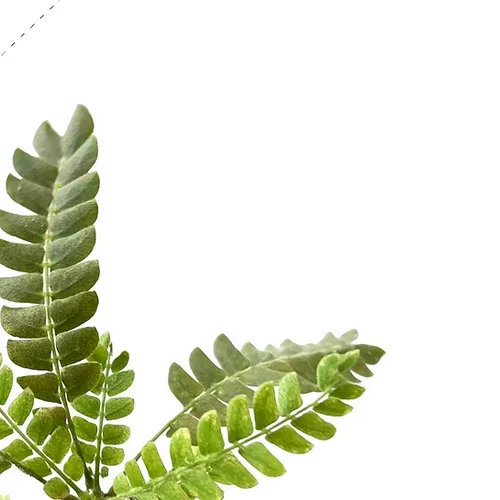
Dypsis lutescens – Care Guide for the Elegant Areca PalmDypsis lutescens, widely known as the Areca palm or butterfly palm, is a clump-forming tropical palm native to Madagascar. It stands out with its feathery, arching fronds and yellow-green canes that resemble bamboo. With its natural grace and minimal care needs, this palm is a reliable choice for anyone looking to bring structured greenery and a touch of the tropics indoors. ● What Makes Dypsis lutescens a Popular Houseplant?Feathery Foliage: Soft, arching fronds with dozens of leaflets create a lush, airy appearance.Pet-Safe: Non-toxic to cats and dogs, unlike many common palms.Clumping Habit: Multiple canes form dense, bamboo-like clusters without needing support.Low Fuss: Adapts to most indoor conditions with stable care and indirect light.Moderate Growth: Typically grows 20 – 30 cm per year, reaching 1.5 – 3 meters indoors. ● Native Habitat and Botanical BackgroundIn the wild, Dypsis lutescens grows in the moist tropical forests of eastern Madagascar, where it experiences filtered sunlight, consistently warm temperatures (18 – 30 °C), and high humidity. It forms dense, understory colonies and rarely grows as a solitary tree. The plant’s bamboo-like canes and fast adaptation to cultivated environments have made it one of the most widely grown palms globally. ● How to Care for Dypsis lutescens IndoorsLight: Performs best in bright, indirect light. Tolerates medium light but may lose fullness in low light.Watering: Keep soil evenly moist but not wet. Let the top 10 – 15% dry before watering again.Humidity: Prefers humidity above 50%. Use a humidifier or place near grouped plants in dry indoor air.Temperature: Ideal range is 18 – 30 °C. Avoid temperatures below 15 °C or sudden drops.Soil Mix: Use a rich, airy mix with coconut coir, perlite, and compost for moisture retention and drainage.Fertilizer: Feed monthly with a balanced liquid fertilizer. Pause if growth slows due to low light.Repotting: Repot every 2 – 3 years when rootbound. Choose a pot with drainage holes.Pruning: Remove yellowing or dry fronds at the base with clean scissors. Do not cut green canes.Hydro Setup: Can adapt to semi-hydroponic substrates with careful acclimation and stable moisture. ● Common Issues and How to Resolve ThemBrown Leaf Tips: Caused by low humidity, fluoride in tap water, or fertilizer buildup. Use filtered water and raise humidity.Yellowing Fronds: Often due to overwatering or compacted soil. Improve drainage and reduce watering frequency.Pests: Watch for spider mites, scale, thrips, and mealybugs. Treat with neem oil or insecticidal soap.Drooping Leaves: Often caused by underwatering or sudden cold exposure. Adjust placement and moisture levels.Fungal Spots: Improve air circulation and avoid overhead watering to prevent leaf spot or mildew.Slow Growth: Check for poor light or depleted soil. Move to brighter spot and refresh substrate if needed. ● Additional Tips for Long-Term SuccessDypsis lutescens appreciates consistency. Avoid frequently relocating the plant or exposing it to drafts. Clean the fronds regularly with a damp cloth or microfiber gloves to remove dust and boost photosynthesis. Trim only browned tips, and never trim green canes — these are key to ongoing frond production. ● Etymology and ClassificationThe genus name Dypsis is derived from the Greek word for “to dive” or “sink,” though the original context is unclear. The species name lutescens means “yellowing” in Latin, referring to the plant’s yellow-tinted stems. This species was first described as Chrysalidocarpus lutescens by Hermann Wendland and reclassified under the Dypsis genus by Beentje and Dransfield in 1995 based on phylogenetic data. ● Frequently Asked Questions about Dypsis lutescensHow fast does Dypsis lutescens grow indoors?With proper light and care, it can grow 20 – 30 cm per year. Growth slows in lower light or cramped conditions.Can Areca palms survive in low light?They tolerate medium light but may grow leggy or sparse in low-light settings. Best results come from filtered bright light.How do I make my Areca palm bushier?Maintain consistent moisture, feed monthly, and avoid trimming green canes. Healthy roots produce denser growth.Can I grow Dypsis lutescens outdoors?Yes, in tropical or subtropical climates where temperatures stay above 15 °C year-round. It prefers partial shade outdoors.How do I clean the leaves?Wipe gently with a damp cloth or use microfiber gloves. Avoid using oil-based leaf shine products. ● Order Dypsis lutescens TodayLooking for a lush, low-maintenance palm that’s safe for pets and easy to grow? Order Dypsis lutescens now and transform your indoor space with elegant greenery.Dypsis lutescens – Buy Elegant Areca Palm with Golden Stems
Rezensionen
Es gibt noch keine Rezensionen.